
FERMENTATION
Fermentation is one of the oldest and most transformative techniques in the culinary world, offering chefs a powerful tool to deepen flavor, enhance texture, and preserve foods. The fermentation process harnesses beneficial microbes to convert sugars and starches into acids, gases, or alcohol. From the tangy and spicy complexity of kimchi and the umami depth of miso to the effervescence of kombucha and the tenderizing effects of koji, fermented foods bring deeply layered flavors that elevate dishes across different cuisines. While rooted in tradition, chefs are using fermentation in modern, innovative ways. Mastering the fermentation process is not just about preservation—it's about unlocking a new dimension of creativity and craftsmanship in the kitchen.
HISTORY OF FERMENTATION
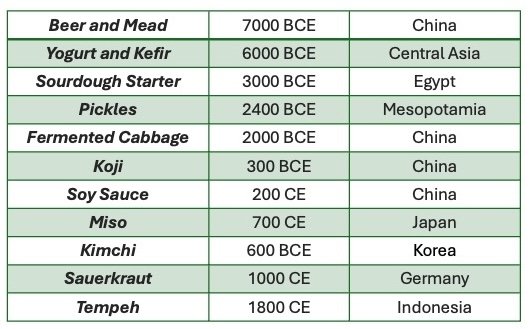
The earliest evidence of fermentation dates to 7000 BCE in China, suggesting that beverages such as mead and beer were produced there. Fermented milk products like yogurt and kefir were common in Central Asia by 6000 BCE. Ancient civilizations, including Mesopotamia and Egypt, used fermentation to make bread, beer, and wine. In China and East Asia, fermented soy products such as soy sauce, miso, and tempeh were developed, and fermented vegetables like kimchi and pickles became dietary staples.
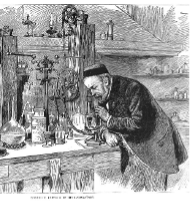
The modern scientific understanding of fermentation is attributed to the French chemist Louis Pasteur, who, in the 1850s, discovered that fermentation was a biological process involving microorganisms. Pasteur's work laid the foundation for microbiology and biotechnology, showing that yeast and bacteria were responsible for fermentation. He also discovered two types of fermentation: alcoholic and lactic acid. Alcoholic fermentation occurs by the action of yeast, while lactic acid fermentation occurs by the action of bacteria.
GLOBAL FERMENTED FOODS
Here are some classic fermented foods found around the globe.
CRÈME FRAîCHE
Crème fraîche is a rich, tangy cultured cream originating in France. Made by fermenting heavy cream with bacterial cultures, it’s thicker and less tangy than sour cream, with a higher fat content that allows it to be heated without curdling. Crème fraîche is used in sauces, soups, and desserts, or as a topping for fruits and baked goods.
KIMCHI
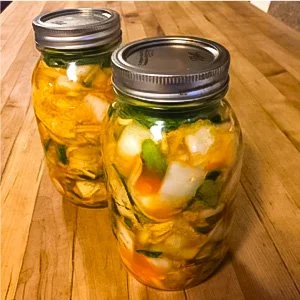
Kimchi is made from fermented vegetables, most commonly napa cabbage and Korean radishes, seasoned with chili pepper, garlic, ginger, and salted seafood. It has a tangy and spicy flavor, and its fermentation process gives it a distinctive sourness and probiotic benefits. Kimchi is often served as a side dish, but also used in soups, stews, and fried rice.
KOJI
Koji is a type of mold (Aspergillus oryzae) used in East Asian cuisine to ferment foods and enhance flavor. It’s grown on grains like rice, barley, or soybeans, and plays a key role in producing traditional ingredients such as miso, soy sauce, and sake. It contains beneficial enzymes that aid in digestion.
MISO
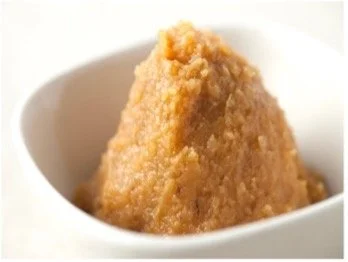
Miso is a traditional Japanese seasoning made by fermenting soybeans with salt and a mold called koji (often grown on rice, barley, or soybeans). It has a thick, paste-like consistency and a rich, savory flavor known as umami. Miso comes in white (shiro), red (aka), and mixed (awase) styles, each with distinct taste profiles. It's commonly used in soups, marinades, sauces, and dressings.
SAUERKRAUT
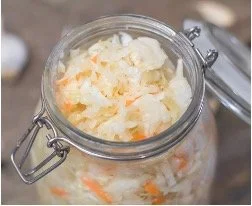
Sauerkraut is a fermented cabbage dish that originated in Central and Eastern Europe. Made by finely shredding cabbage and allowing it to ferment in its own juices with salt, sauerkraut develops a tangy, sour flavor and a crunchy texture. It's rich in probiotics, vitamins C and K, and dietary fiber, making it both a flavorful and nutritious addition to meals.
TEMPEH
Tempeh is a traditional Indonesian food made from fermented soybeans, rich in protein, fiber, and probiotics. It has a firm texture and a nutty, earthy flavor. Tempeh can be sliced, marinated, and grilled, stir-fried, or baked.
WHY FERMENTATION
Traditionally, fermentation is used as a preservation technique, but it also enhances the nutritional value of food, making it more digestible. For example, lacto-fermented foods populate your digestive system with living bacteria, beneficial enzymes, B-vitamins, omega-3 fatty acids, and various strains of probiotics that help digest other foods we eat. Additionally, fermentation can reduce food waste by preserving surplus produce or transforming scraps into flavorful components.
HEALTH BENEFITS

Eating fermented foods provides numerous health benefits, mainly due to their high levels of probiotics—beneficial bacteria and yeasts that promote gut health. These microorganisms help play a vital role in digestion, immune function, and even mental well-being. Regular intake of fermented foods such as yogurt, kimchi, sauerkraut, and kefir has been associated with better digestion, reduced inflammation, and improved nutrient absorption. Furthermore, they may assist in regulating blood sugar levels, lowering blood pressure, managing weight, and even supporting heart and mental health.
THE ROLE OF YEAST IN FERMENTATION
Yeast is a single-celled fungus that is related to other varieties, including edible mushrooms, common baker’s yeast, molds that ripen bleu cheese, and molds that produce antibiotics for medical and veterinary use. Yeast cells are egg-shaped and can only be observed under a microscope. Because of its microscopic size, it takes 20 billion yeast cells to weigh one gram or 1/28 of an ounce.
Yeast plays a critical role in the fermentation of many foods and beverages by converting sugars into alcohol, carbon dioxide, and other compounds through alcoholic fermentation. In products like bread, beer, and wine, yeast leavens bread and produces alcohol and carbonation in beverages. In fermented foods such as kefir and some kombucha, yeast works alongside bacteria in a symbiotic relationship, contributing to the development of flavor, texture, and probiotic content. Additionally, yeast can enhance the nutritional profile of foods by producing B vitamins and breaking down complex compounds into more digestible forms.
TYPES OF FERMENTATION
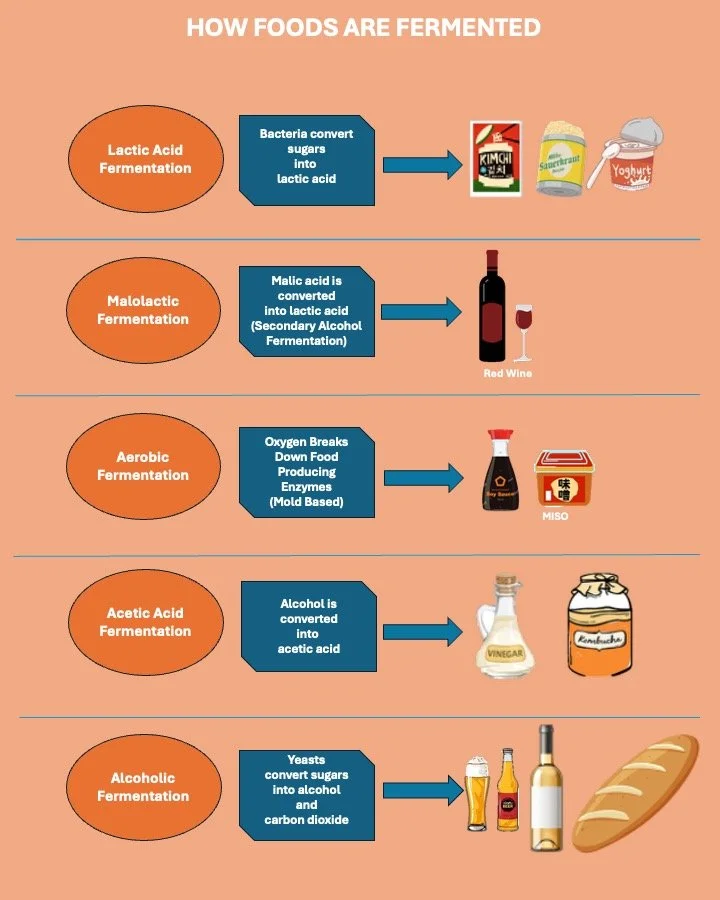
There are three primary types of fermentation, each producing different food products through distinct microbial processes.
Lactic acid fermentation, which happens when lactic acid bacteria (LAB) convert sugars into lactic acid, resulting in a tangy flavor and a lower pH. This type of fermentation is the foundation for sauerkraut, kimchi, and many pickled vegetables.
Acetic acid fermentation uses acetic acid bacteria to convert alcohol into acetic acid, giving vinegar its characteristic sourness. It's also used in the production of kombucha and certain types of pickles.
Alcoholic fermentation uses yeast to convert sugars into ethanol and carbon dioxide. This process produces alcoholic beverages such as beer and wine, as well as fermented breads like sourdough.
Malolactic fermentation (MLF) is a process primarily used in winemaking in which malic acid, found naturally in grapes, is converted into lactic acid. This type of fermentation is common in red wines and some types of white wines, such as Chardonnay, giving them a smoother, rounder mouthfeel.
Aerobic fermentation occurs when specific bacteria and molds break down sugars in the presence of oxygen to produce acids, enzymes, and flavor compounds. This process, used for making miso, tempeh, and certain aged cheeses, produces foods where mold or bacteria grow on the surface, contributing to unique textures and flavors.
FERMENTATION STAGES
In the fermentation process, there are primary and secondary stages, each critical to the development of the final product. In fermented vegetables like sauerkraut and kimchi, the primary stage microbes actively consume sugars in the vegetables and convert them to acids and carbon dioxide. In this stage, visible bubbles and gas are released. As the fermentation process continues, it evolves into a secondary phase where the microbial activity slows down, and the flavors continue to develop and mellow. In kimchi, for example, it becomes tangier and more complex the longer it ferments, even after the most active phase has passed.
Dairy fermentation in yogurt making involves the initial activity of lactic acid bacteria converting lactose (milk sugar) into lactic acid. This requires a starter culture of lactic acid, usually from a previous batch of yogurt. Similarly, sourdough bread uses a starter culture in the primary stage (known as bulk fermentation). In the secondary stage, known as “proofing,” the dough is allowed to rest and develop more flavor.
SPONTANEOUS AND CULTURE-DEPENDENT FERMENTATION PROCESSES
There are two main ways that food can be fermented. The first method is natural fermentation, also known as "spontaneous fermentation," in which the microorganisms necessary for fermentation are already present in the raw food or in the environment where it's processed. Some examples of foods made this way are sauerkraut, kimchi, and certain types of fermented soy products. The second method is the use of starter cultures, specific microorganisms added to food to initiate fermentation. This process is known as "culture-dependent fermentation." Some examples of foods made this way are kefir and kombucha.
During the fermentation process, microorganisms transform macronutrients present in the food substrate into simpler and often characteristically unique components (e.g., carbohydrates into alcohols, proteins into peptides). This is done through the work of enzymes whose production is specific to the type of microorganism. Therefore, different species of microorganisms are used to produce different types of food products. The commonly used microorganisms in food fermentation are lactic acid bacteria, yeast, and molds.
FERMENTATION VS. PICKLING
Fermentation and pickling are both ancient methods of food preservation, but they differ significantly in their processes, microbiology, and flavor outcomes. Here's a breakdown of the key differences:
Fermentation involves the natural action of beneficial microorganisms (like bacteria, yeast, or fungi) that convert sugars and starches into acids, gases, or alcohol. While pickling involves preserving food in an acidic solution, usually vinegar, it does not require live microbes to transform the food, although some pickles are fermented first and then stored in vinegar.
In fermentation, microbes produce acids (like lactic acid) naturally. But in pickling, the acid (usually vinegar, which contains acetic acid) is added directly to the food.
Fermentation takes days to weeks, requires controlled temperature and environment, and often involves anaerobic (oxygen-free) conditions. Pickling can be immediate or quick, especially with vinegar-based pickles, and doesn't require microbial activity or fermentation time.
Fermented foods often have a complex, tangy, and slightly effervescent flavor due to microbial activity, as seen in foods like kimchi, sauerkraut, and kombucha. Pickled foods, like cucumbers, onions, and beets, tend to have a sharp, vinegary taste and are often crunchier.
FERMENTATION VS. CANNING
While fermentation promotes beneficial microorganisms that preserve the food and enhance its flavor, texture, and nutritional value, canning is a preservation method that involves heating food in jars or cans to a temperature that destroys harmful microorganisms and seals it to prevent contamination. The canning method creates a vacuum seal that keeps the food shelf-stable for months or years without refrigeration. While canned foods retain much of their original flavor and texture, some nutrient loss can occur due to the high temperatures. Unlike fermentation, canning halts all microbial activity, meaning the food does not continue to develop in flavor or texture after processing.
FERMENTATION TOOLS AND EQUIPMENT
When fermenting foods, whether in a professional kitchen or at home, consistency is an important factor. To produce fermented foods, it is essential to have the right tools and equipment. Here are a few tools that will help you create fermented foods with dependable results.
SCALE

Many fermentation recipes require specific levels of salt to vegetables—for example, sauerkraut often uses a brine with a 2% solution of salt. To make it easy to measure and to scale up your recipe as needed, a digital scale will provide the best results.
CONTAINERS
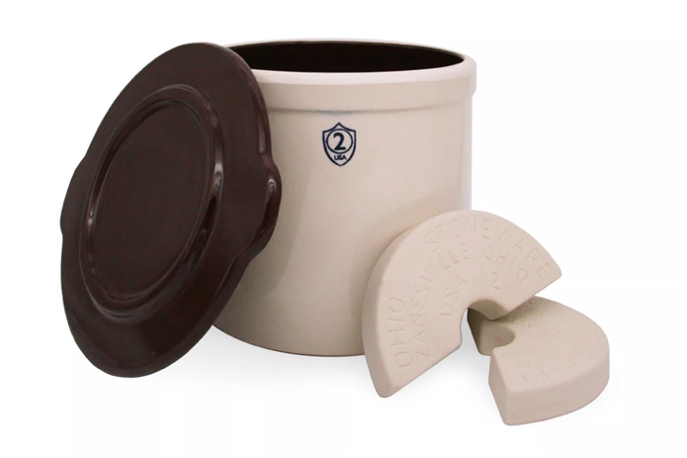
Stoneware crocks or glass jars are best for packing, storing, and aging your fermented foods. A crockpot is ideal for making a large volume of sauerkraut or kimchi. These pots come with a stone weight, so the vegetables stay submerged in liquid brine during the aging process.
Canning jars are a great option for smaller batches of fermented foods. These jars come in a variety of sizes from 8 oz. to 64 oz. Wide-mouth jars are recommended because they make it easier to pack and compress food in them. For preparing beer and kombucha, bottles are recommended.
TAMPER/MASHER
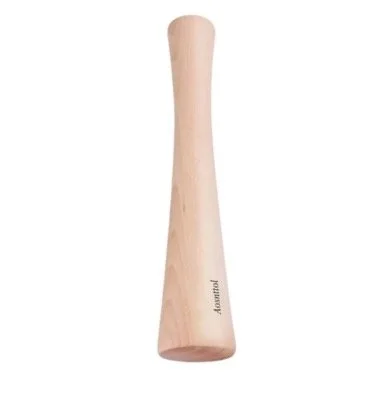
Whether you refer to it as a stomper, tamper, pounder, mallet, or masher, this kitchen tool is ideal for packing down vegetables for fermentation. Some tampers have ends of different sizes, allowing for easy use in both small mason jars and large fermentation crocks.
AIRLOCK LIDS
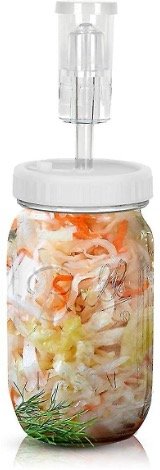
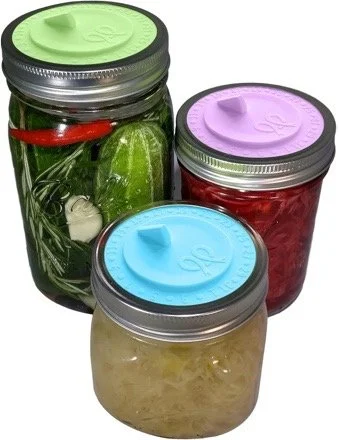
When fermenting foods in sealed jars, two concerns must be addressed. One issue is keeping your vegetables submerged in liquid brine in an anaerobic state to prevent unwanted bacteria that may lead to spoilage. In a crock, stone weights compress the vegetables, immersing them in liquid. If you are using glass canning jars, you can use glass or ceramic weights that sit on the opening of the jars and keep the food submerged.
The second issue is the buildup of carbon dioxide that occurs during the primary fermentation stage. In a stoneware crock, gas is passively released because the container is not sealed. However, the gas must be periodically released if the jar is sealed. A simple solution is to “burp” the jar by unscrewing the lid to expel the gas. The other option is to use an airlock that releases the gas slowly. There are different styles of airlocks. Some are lids with a one-way valve, and others use a chamber filled with water that allows the release of built-up gas but prevents air from entering the jar.
pH TEST STRIPS AND METERS
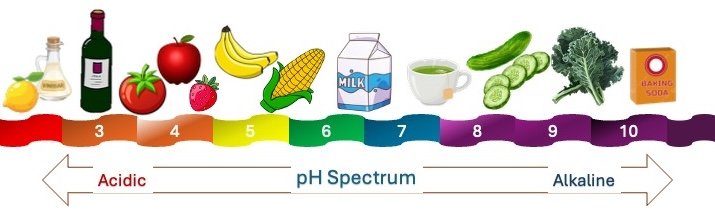
In fermentation, pH is a measure of the environment's acidity or alkalinity, which influences microbial activity and helps ensure a safe and effective fermentation process. For most fermented vegetables, the ideal pH level should drop below 4.6, with a target range of 3.5 to 4.0 to ensure safety and proper preservation by inhibiting harmful bacteria like Clostridium botulinum. To determine if your food has been fermented correctly, the pH level should be tested with pH strips or meters.
SAFE FOOD HANDLING GUIDELINES
When fermenting foods, following proper food safety guidelines is essential to prevent contamination and ensure a healthy, delicious final product. Here are some key safety practices:
Use Clean Equipment – Always sanitize jars, utensils, and hands before starting. Contaminated tools can introduce harmful bacteria or mold.
Use Fresh Vegetables – The fresher the vegetables, the better the results.
Use the Right Salt and Water – Use non-iodized salt, such as sea salt or pickling salt, and chlorine-free water, as chlorine can inhibit the growth of beneficial bacteria. Salt can range from 2% (by volume) for sauerkraut to more than 13% for other food items. When in doubt, follow tested recipes.
Maintain Proper Temperature – Most vegetable ferments thrive at 65–75°F (18–24°C). If the environment is too warm it can encourage spoilage, and if it is too cold it can slow the fermentation process.
Maintain Proper pH levels – Fermentation must be conducted under controlled conditions to ensure safety and consistency. For example, pH must drop below 4.6 within a specified time to prevent the growth of pathogens like Clostridium botulinum.
Keep Food Submerged – Ensure that all solids are fully submerged in brine to create an anaerobic (oxygen-free) environment. Use weights if necessary.
Watch for Mold and Off-Smells – A white film on the surface is usually harmless, but fuzzy, colored mold (green, black, pink) is a sign of spoilage. Discard the batch if this occurs. A sour, tangy smell is normal, but rotten or foul odors are not.
Label and Date – Always label and date jars with the contents and start date to track fermentation progress and shelf life.
Store Properly After Fermentation – Once fermented, refrigerate or store in a cool place to slow further fermentation and preserve quality. Fermented foods can be stored for three months or longer without losing their quality and taste if proper storage is maintained.
ESSENTIAL VEGETABLE FERMENTATION STEPS
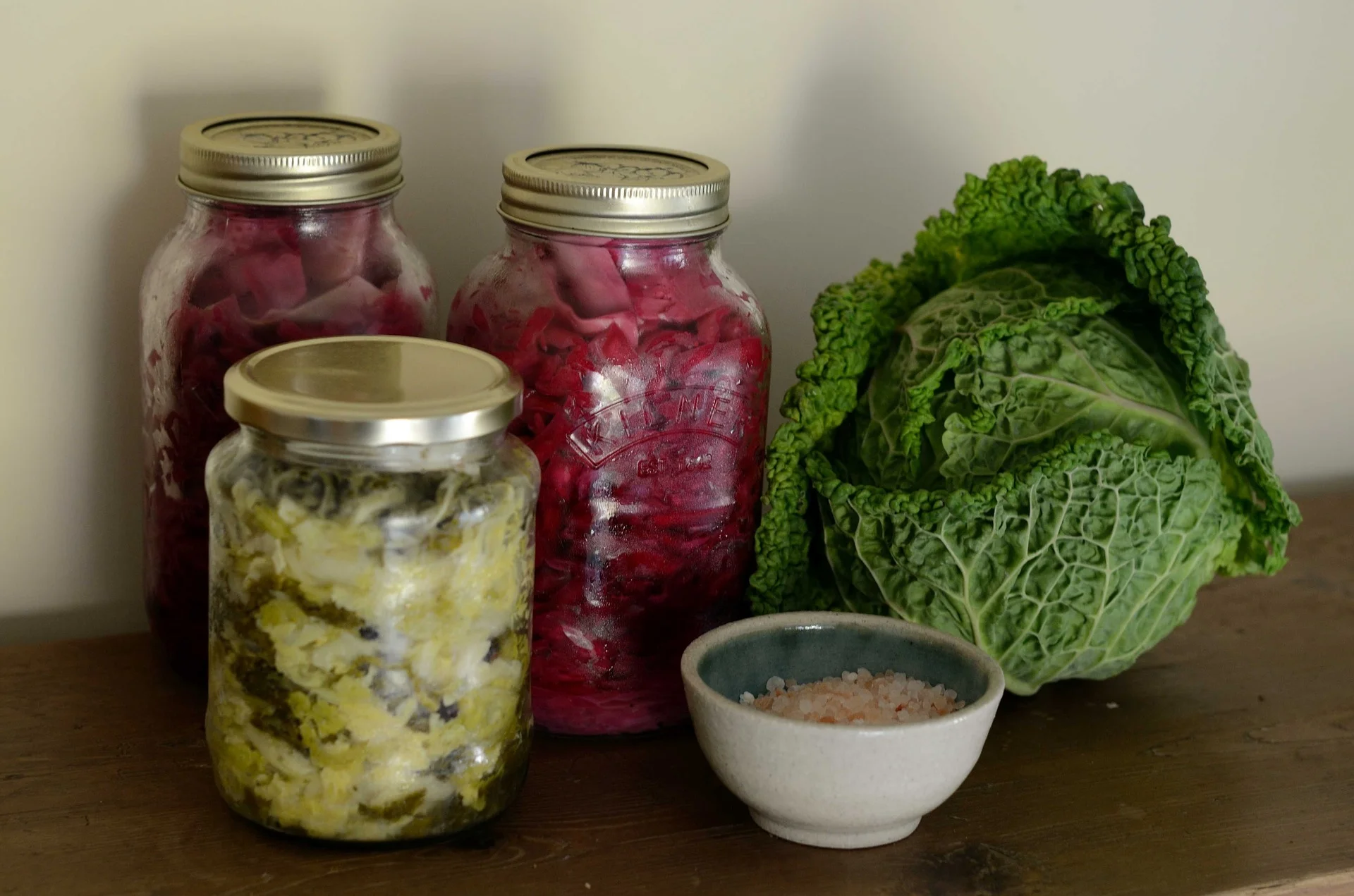
Vegetable fermentation is well-known in the culinary world. Sauerkraut and kimchi are two classics, but they are not the only dishes that use the lacto-fermentation process. For instance, Takuan is a Japanese fermented dish made from daikon radish, sugar, salt, turmeric, and chili flakes. The methods demonstrated here for sauerkraut and kimchi can be used to ferment nearly any vegetable. The key ingredients are salt, an anaerobic environment, and time. Once you master this technique, consider adapting it to other vegetable dishes.
Choose Fresh Ingredients
For Sauerkraut
Use 1 head of cabbage (about 2–3 lb.), shredded
Seasoning: 1–2 tsp. caraway seeds, 4–5 juniper berries, and 1–2 bay leaves.
For Kimchi
Use 1 head of Napa cabbage, large dice, 1 Korean radish, julienned, and 4–5 scallions, cut into 1-inch pieces.
Seasoning: Create a paste using 6–8 garlic cloves, minced, 1–2 inches of ginger, peeled and minced, ¼– ½ cup Korean red pepper flakes (gochugaru), 2–3 Tb. fish sauce, and 1–2 tsp sugar.
Salt and Massage the Vegetables
Mix them with non-iodized salt (about 2% of the vegetable weight).
Massage the salt into the vegetables to extract water and create a brine.
Add seasonings
Pack into a Fermentation Vessel
Use a clean glass jar or ceramic crock.
Press the vegetables down firmly so they are submerged in their own brine.
Leave some headspace at the top.
Weigh Down and Cover
Use a fermentation weight or another clean object to keep the vegetables submerged.
Cover with a lid or cloth to allow gases to escape while preventing contaminants from entering.
Ferment at Room Temperature
Store in a cool, dark place (60–75°F or 15–24°C).
Ferment for 5–14 days for sauerkraut, or 3–7 days for kimchi, depending on your taste and the temperature.
Taste and Store
Taste periodically, and when it reaches your desired flavor, transfer it to a cooler to slow down fermentation.
Sauerkraut and kimchi can last for several months under refrigeration.
FERMENTATION READING LIST
If you are interested in exploring fermentation methods further, here are some of the best books on modern fermentation techniques:
Fermented Vegetables, by Kirsten and Christopher Shockey
A practical and approachable guide, this book offers over 120 recipes covering 64 vegetables and herbs. It’s ideal for hands-on learners and includes troubleshooting tips and small-batch recipes to help build confidence.
Wild Fermentation, by Sandor Ellix Katz
A classic in the fermentation world, this book introduces the philosophy and practice of wild fermentation. Katz emphasizes the cultural and health benefits of fermented foods, offering recipes for everything from kimchi to mead.
The Art of Fermentation, by Sandor Ellix Katz
A deeper dive into the science and cultural history of fermentation, this book is more encyclopedic and is suited for readers who want to understand the “why” behind the techniques.
Koji Alchemy: Rediscovering the Magic of Mold-Based Fermentation, by Jeremy Umansky and Rich Shih
The definitive guide to modern koji fermentation. The authors—both respected chefs and fermentation educators—explore how koji can be used beyond traditional Japanese cuisine. They delve into its applications in aging charcuterie, enhancing cheeses, and creating new flavor profiles in sauces, miso, and alcoholic beverages.
The Noma Guide to Fermentation, by René Redzepi and David Zilber
This book from the team at Noma explores seven core fermentation techniques, including lacto-fermentation, kombucha, vinegars, koji, miso, shoyu, and garum. It’s a must-read for anyone interested in the intersection of culinary innovation and microbial science.